A Little Survey on (Youth) Instrumentalists in Church

Last spring, I administered a short questionnaire to a gathering of church music leaders at a worship conference in southeastern Tennessee. I received 28 responses from this preliminary survey which yielded some interesting results:

  • 57% regularly use orchestral string, wind, or percussion instruments in their worship services
  • On the other hand, 43% typically use only organ, piano, guitar, and/or drums in their services
  • About a third (29%) have a church orchestra
  • 39% use orchestral instrumentalists who are 22 years old or younger
  • Only 14% use orchestral instrumentalists under 18 years old

When asked what they could use to “help your church to include or better involve orchestral string, wind, or percussion instrumentalists in your services,” they responded as follows:

  • 64% would benefit from expertise or training for instrumentalists in their church
  • 39% could use expertise or training for those in leadership
  • 36% cited the need for more time or additional staff

Finally, nearly one-third (29%) of church music leaders said that college age and younger youth “rarely” or “never” participate in leading congregational worship in their church in any way. 

I continue to believe that there is a great opportunity for involving both youth and, in particular, young band and orchestra kids in the musical worship in our churches! More to come later….

Band and Orchestra Kids Go To Church (Part 3)

Tips for Adding Band and Orchestra Kids to the Worship Team

Believe it or not, there are excellent ways to engage a variety of instruments in a contemporary style ensemble. But if you don’t have any experience with band or orchestra instruments, this can be be daunting, and making it accessible for young musicians can be even more challenging. What follows are some general guidelines and places to begin:

  1. Provide the right written tools. As I mentioned in the first post, we must be mindful of a young (or old) instrumentalist’s proficiency in reading written music or lead sheets. The most common challenge (and one that often stops band kids from even trying this) is transposition or clefs. For example, a clarinetist typically reads music transposed up a step and a violist typically reads alto clef. You may have to do a little bit of homework with the help of Google, a local music teacher, or music notation software.
  2. Ask them to do something within their ability. An acoustic wind or string instrument adds color unlike anything else in the typical worship band. For that reason, what they play does not need to be anything super technical. A simple lick adds a lot to the texture and prevents the student from becoming overwhelmed.
  3. Reimagine electric guitar, pads, or other lines. Oftentimes, these are simple and repetitive lines of music that can be easily played by a wind or string instrument. Also, a string instrument’s line on a recording might work for a different wind instrument. For example, a violin layer could work well on flute, or a cello pad could be covered by a good euphonium player.
  4. Find the jazz band kids. Once a jazz band student has learned the basics of improvisation with chord charts, a typical church leadsheet will be well within their ability.
  5. Don’t play all the time. My biggest pet peeve (and the reason string and wind instruments often sound bad when used in contemporary worship) is that they play too much. Use the colors of these instruments sparingly. Add the instruments just like any other layer and perhaps on only one or a few songs in a given Sunday morning. It’s okay if they don’t play a lot of notes. After all, it’s about serving the church not playing lot of notes, right?
  6. Add an instrumental verse. Many contemporary songs have very simple melodies. Be sure to select the key and range appropriately. And unless a student is accustomed to playing by ear, give them music written in their key to read at first.

A final word of caution: Avoid making much of the young people themselves in the worship service. Don’t stand up and say something like, “Aww, wasn’t that sweet?” Sure, before and after the service you can affirm their contribution to the worshipping community. But make it less about them and more about their giving of God’s gift back to Him and the congregation.

Involving more people and young people in whatever we are used to doing in our worship services can be hugely time consuming. But I believe it is worth it, not only for the students involved, but as a model for the entire congregation and an investment in the future of our churches.

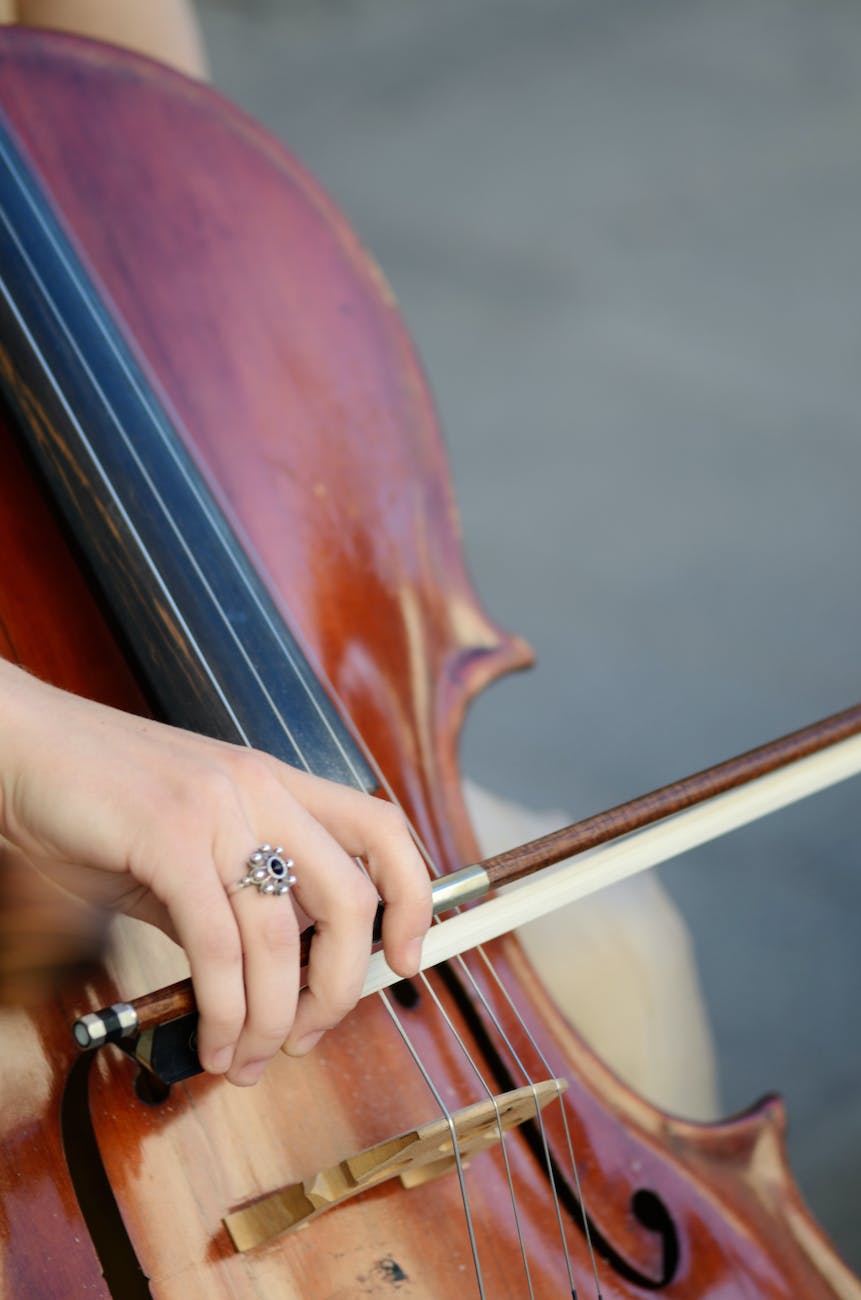
Band and Orchestra Kids Go To Church (Part 2)

Practical Ways to Use Band and Orchestra Instruments in Church

For many churches, a real challenge to engaging band and orchestra instrumentalists is the contemporary style. How do we find a place for string and wind players in services that most often only include guitars, keys, and drums? Whether or not this is the style of music in your church, here are a few great ways to engage young instrumentalists:

  1. Prelude, postlude, or offertory. Instrumental music is perfect for these reflective or celebratory moments. These may or may not be part of your typical Sunday morning worship, but why not try something different every once in a while?
  2. Special seasons. Advent or Christmas are particularly good times to involve band and orchestra kids for several reasons: 1) The traditional, hymn-like genre is typically more accessible to traditionally trained musicians, 2) The music is super familiar to even the kids, 3) They love to practice these familiar songs, and 4) They might even be working on something in school that fits your service perfectly. Try taking a break from the usual worship band-led service and sing carols with instruments. The congregation will love the richness and variety this brings to their singing.
  3. Hymn services. Whatever time of year it is, go retro and sing a service or part of a service with classic hymns. Choose familiar ones, but also find hymns that are easily sung that are rich in theology and particularly fitting for the service.
  4. Youth services. Rather than just having the youth group band lead the service, why not also involve the band and orchestra kids? In fact, if you have a youth group band it would be great to develop worship leading skills of students who play band or orchestra instruments alongside the other instrumentalists and vocalists.
  5. In the worship band. Band and orchestra instruments add amazing color to contemporary worship ensembles—and I’m not just talking about a violin or cello that is often heard in some worship recordings. In the next post, I’ll discuss ways to help young instrumentalists add to the contemporary worship ensemble.